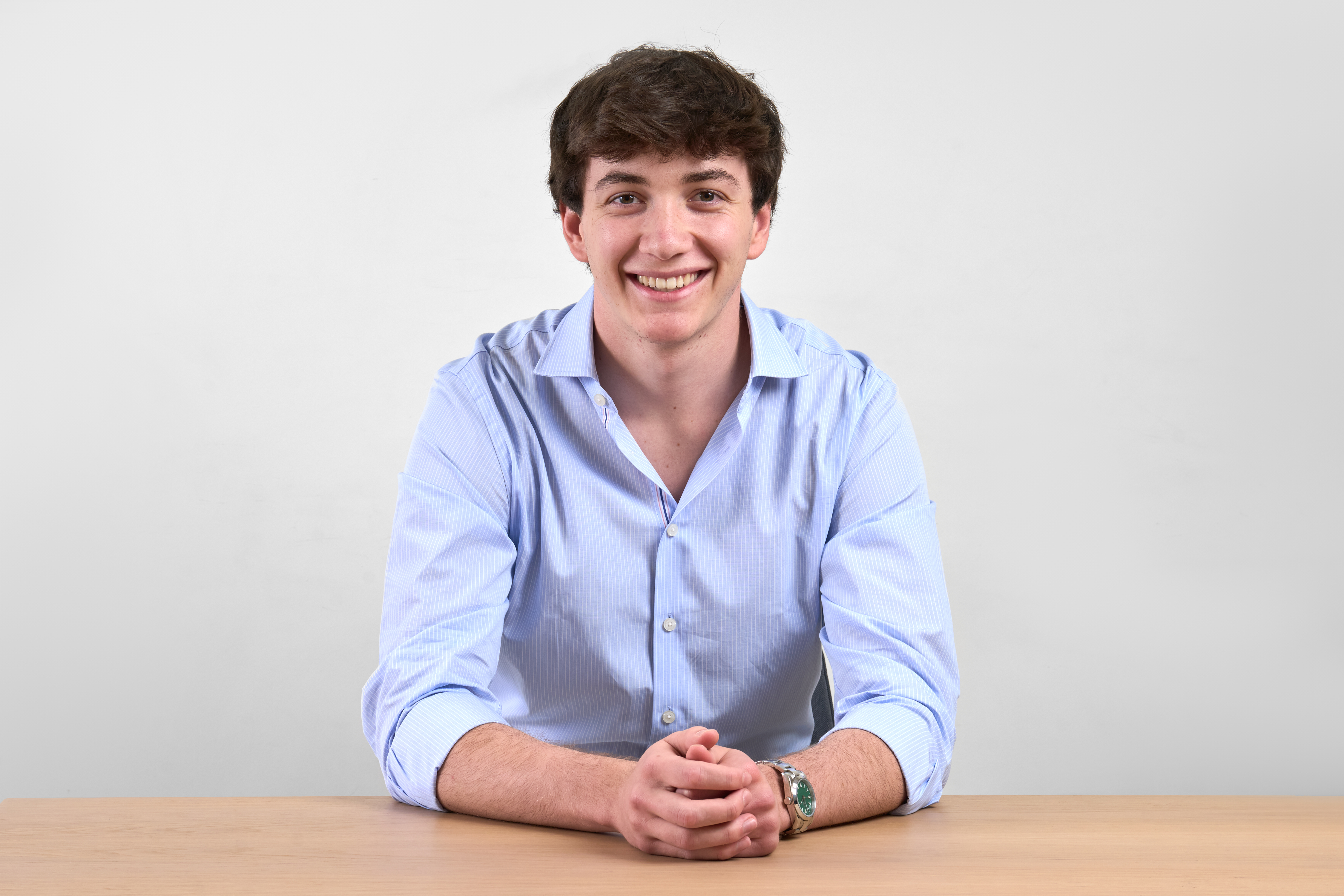
Juan Alonso-Allende
Software & Product Engineer
I strongly recommend viewing this website on a desktop :)
© 2026 🇪🇸 Built by Juan in Madrid, Spain.
🛠️ Projects
It all started with legos 🏗️ ... I've always loved to build things. These are some of the things I've worked on since I discovered software engineering.
🛠️ Stack
As time has passed and I've tried new things, I've learned a lot of technologies and programming languages. Here are some of the ones I've used.
🗂️ Projects
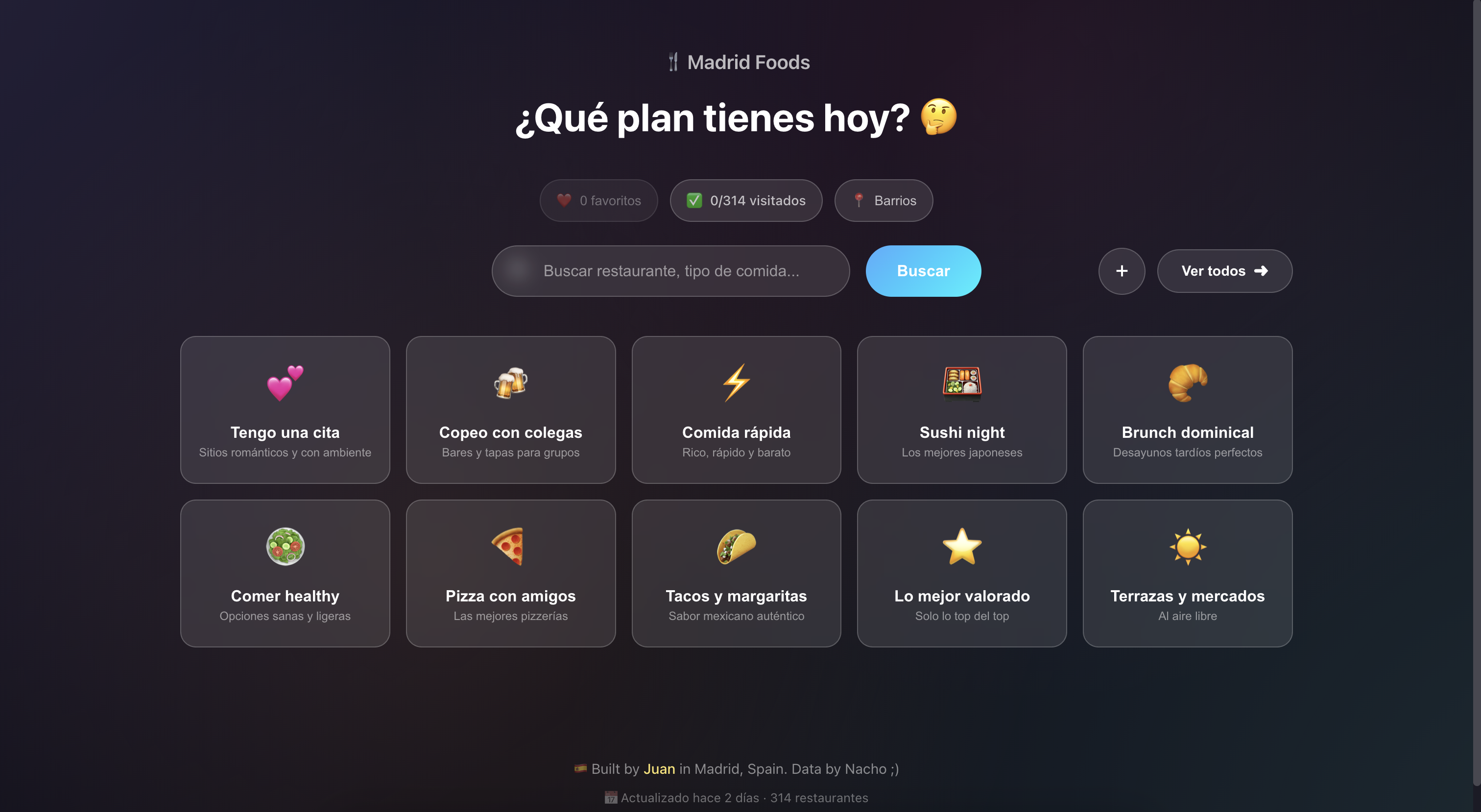
MadridFoods
2025
One-day personal project to display a list of restaurants in Madrid that my friend Nacho shared with me. With MadridFoods, you can find the best places to go in Madrid based on your plans, location and other preferences.
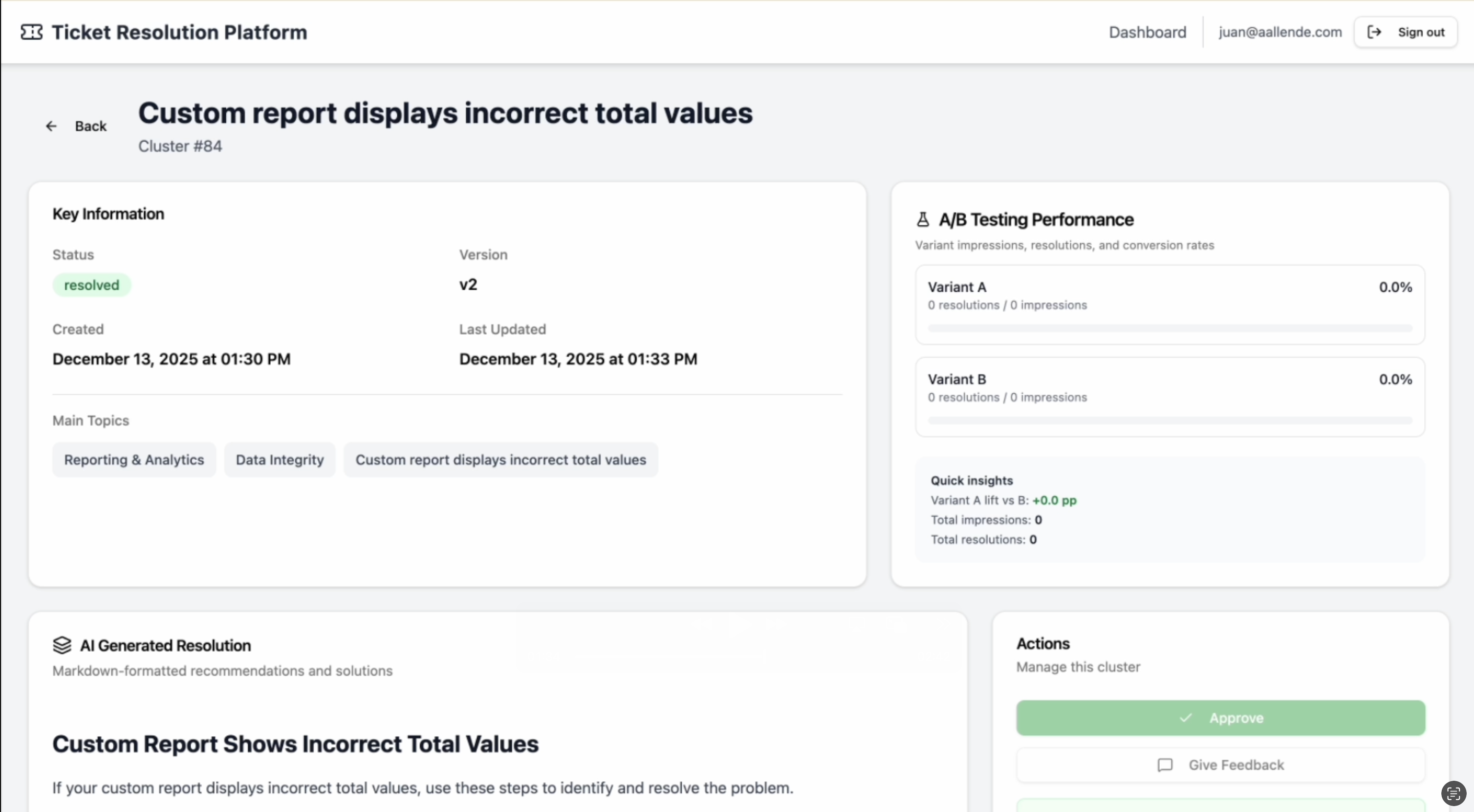
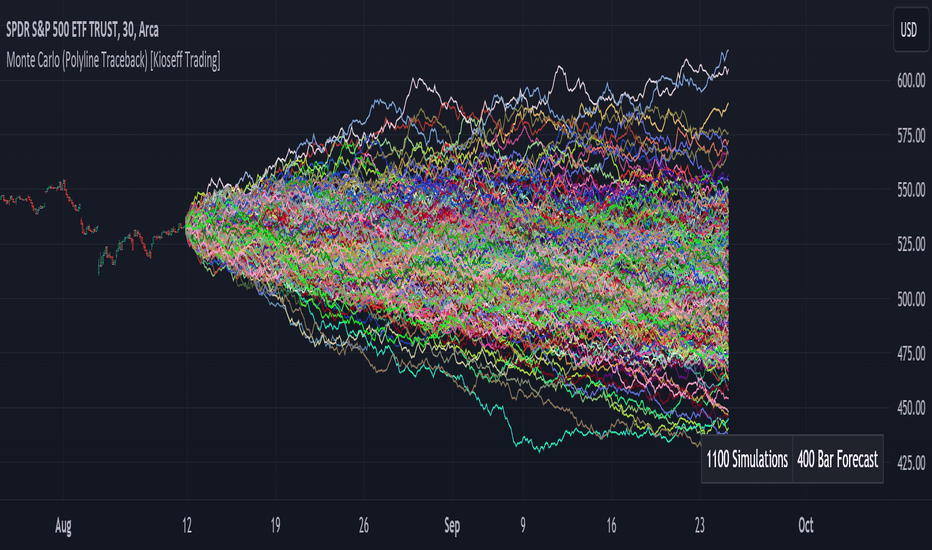
GPU Monte Carlo Simulations
2025
Hybrid C/CUDA Monte Carlo engine for systemic crash probability estimation across correlated EU equity indices.
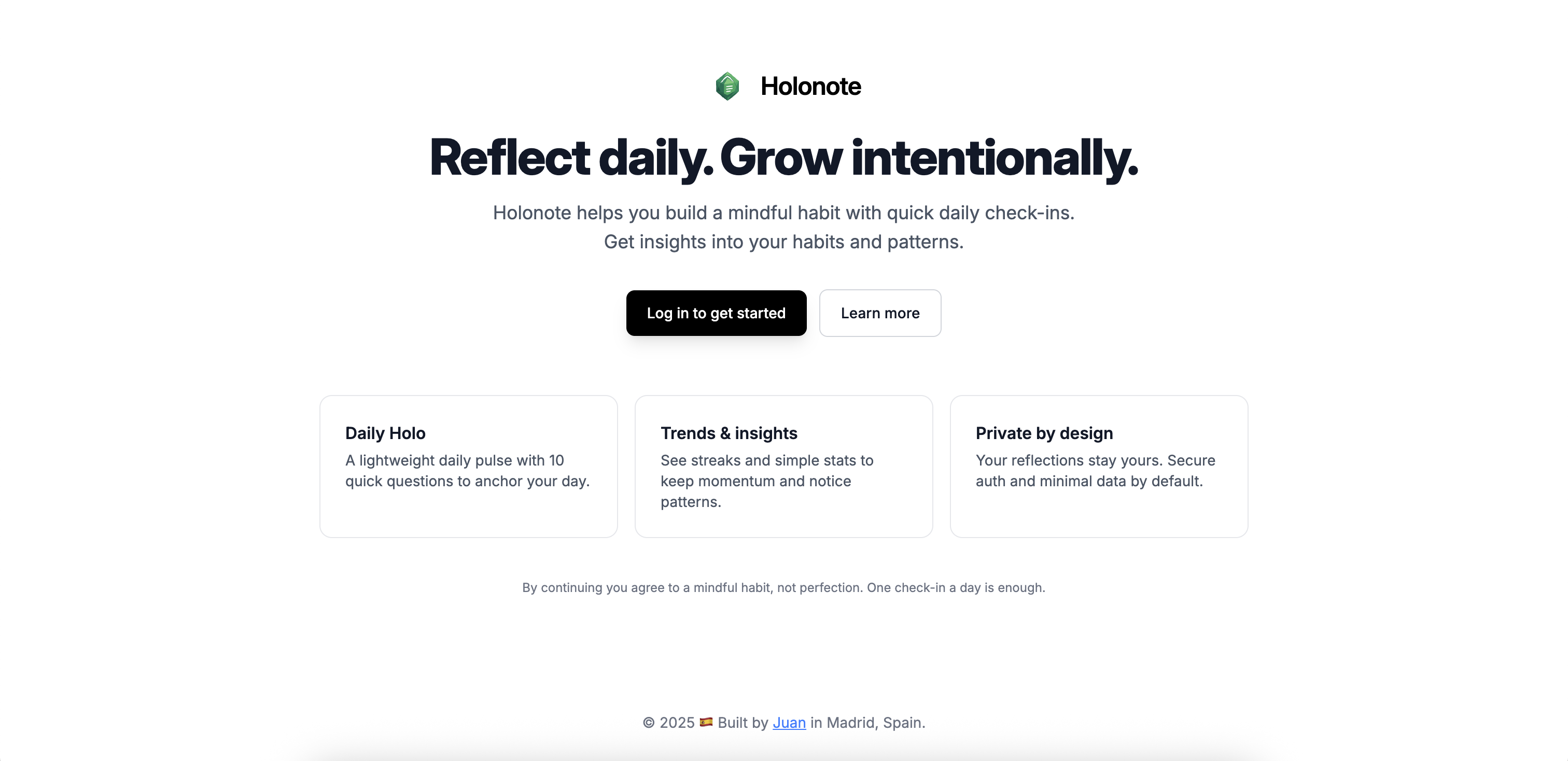
Holonote
2025
Production ready note-taking and organization platform. Whoop but for wellbeing.
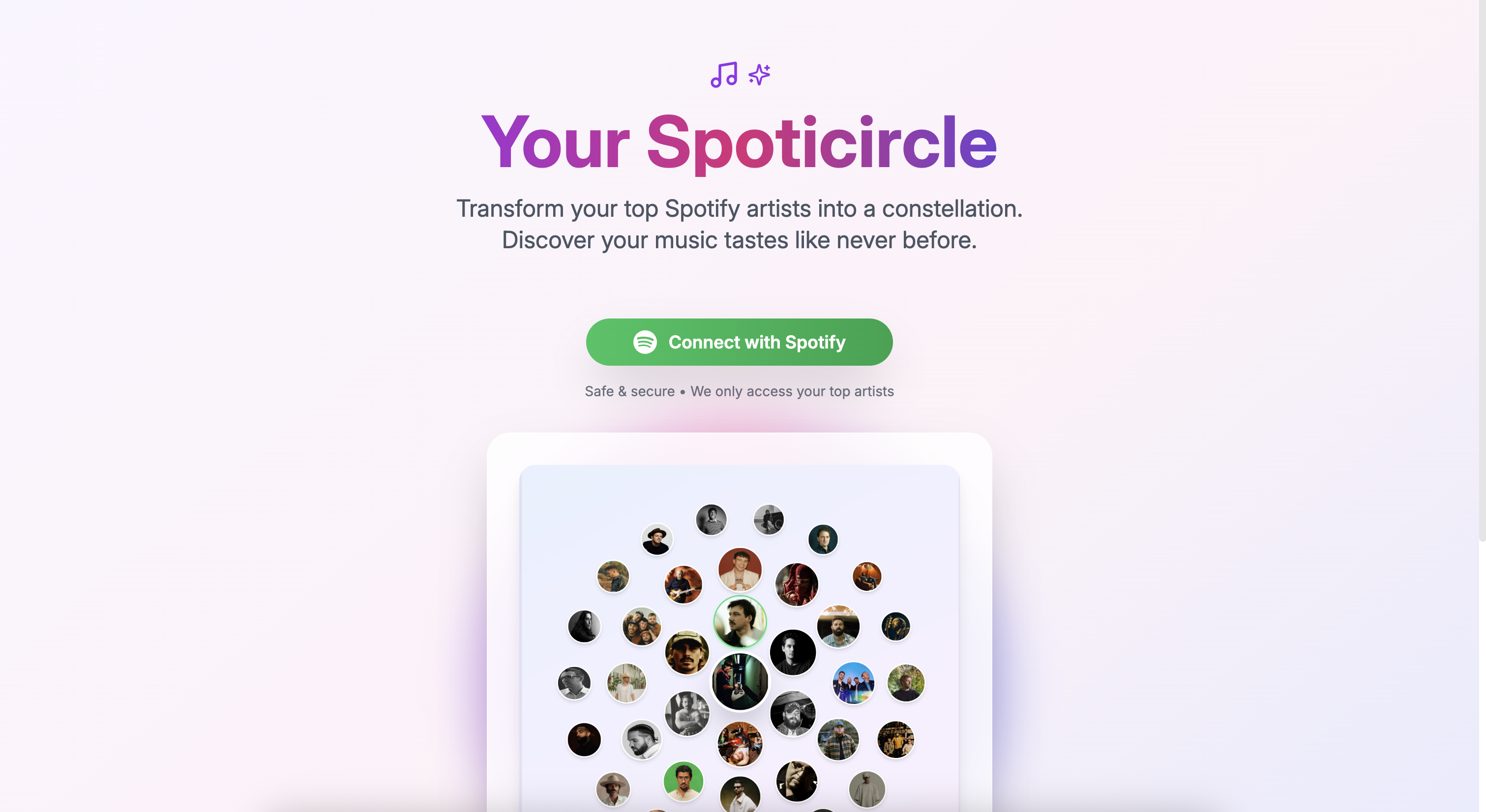
Spoticircle
2025
Spotifcircle transforms spotify data into constelations. Private due to API limitations.
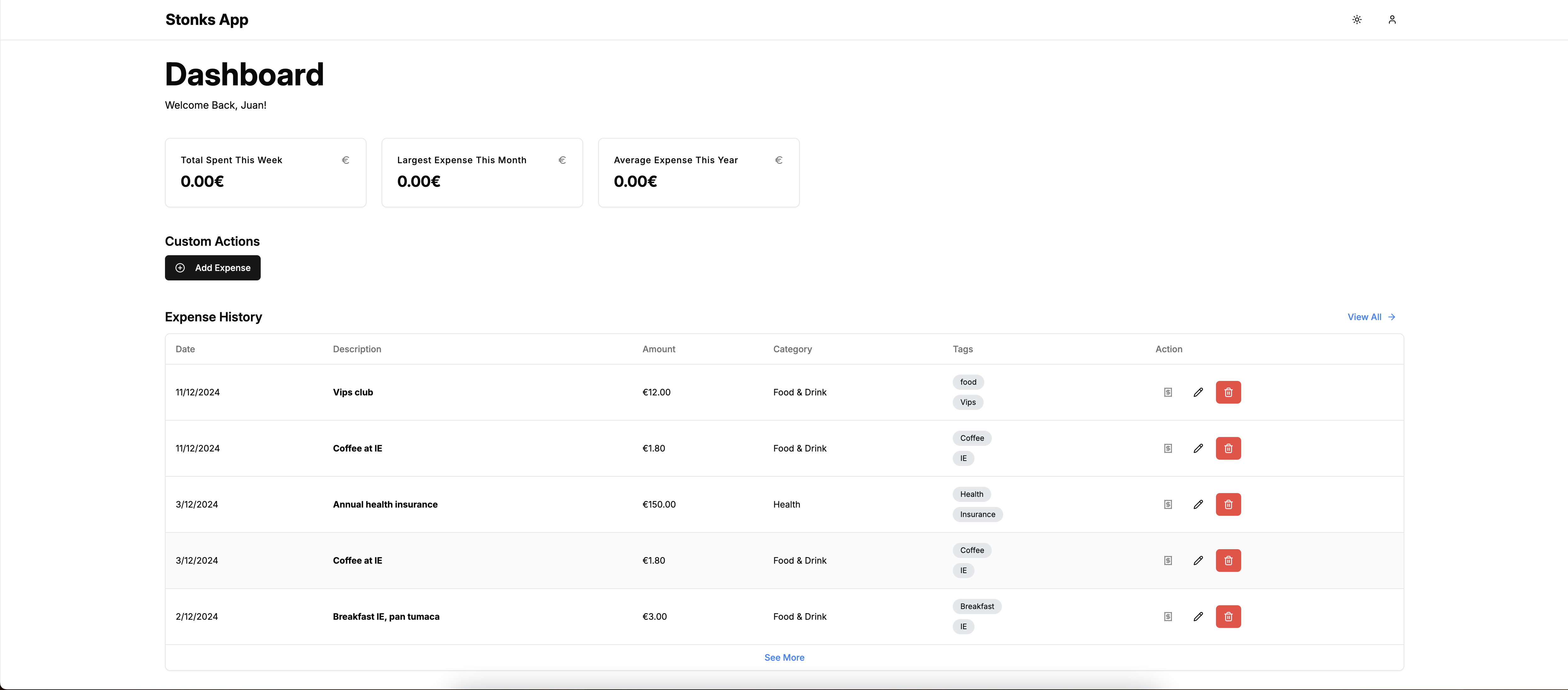
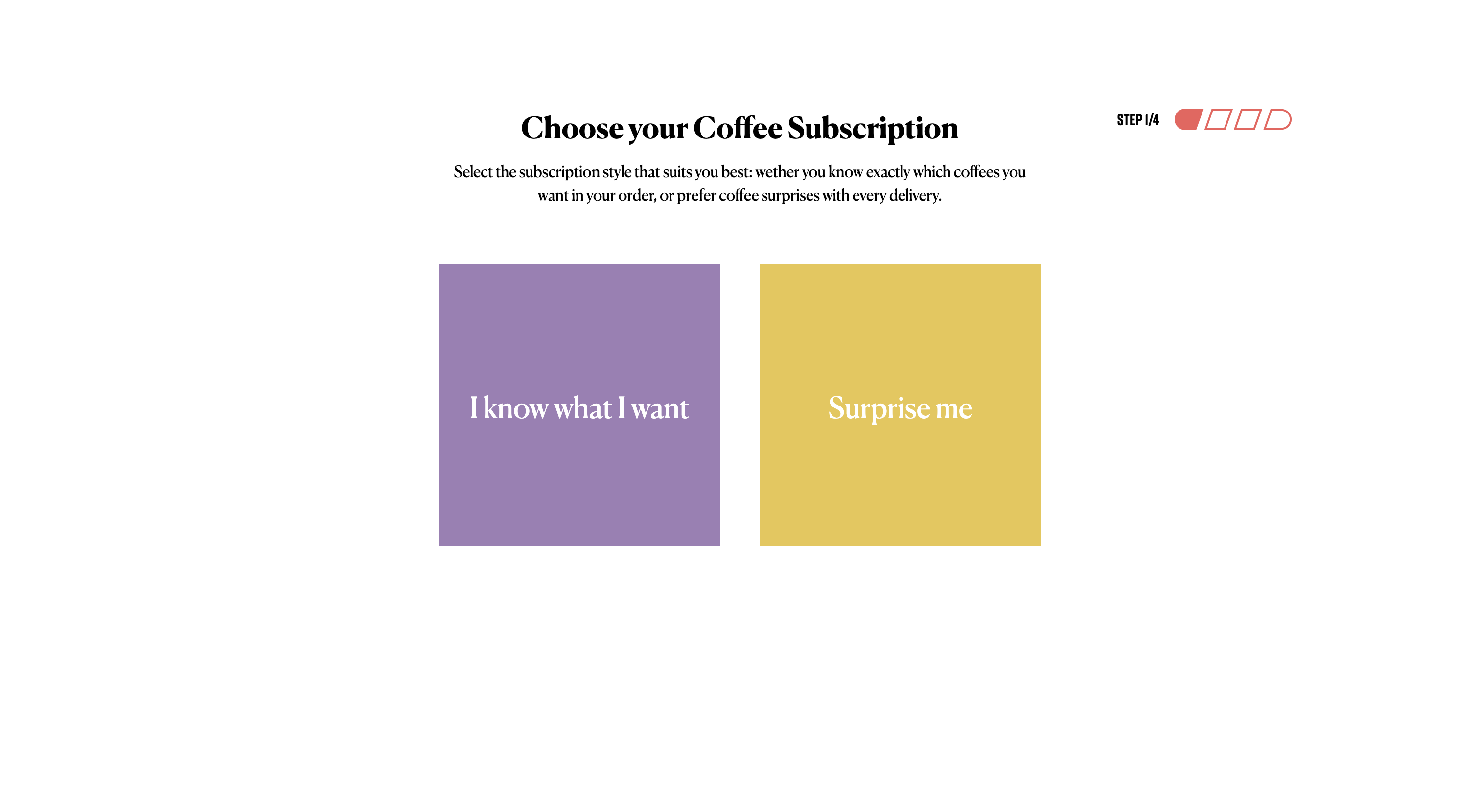
Coffee Subscription Flow
2024
Coffee subscription flow for a coffee shop. +$1k in sales in first months.
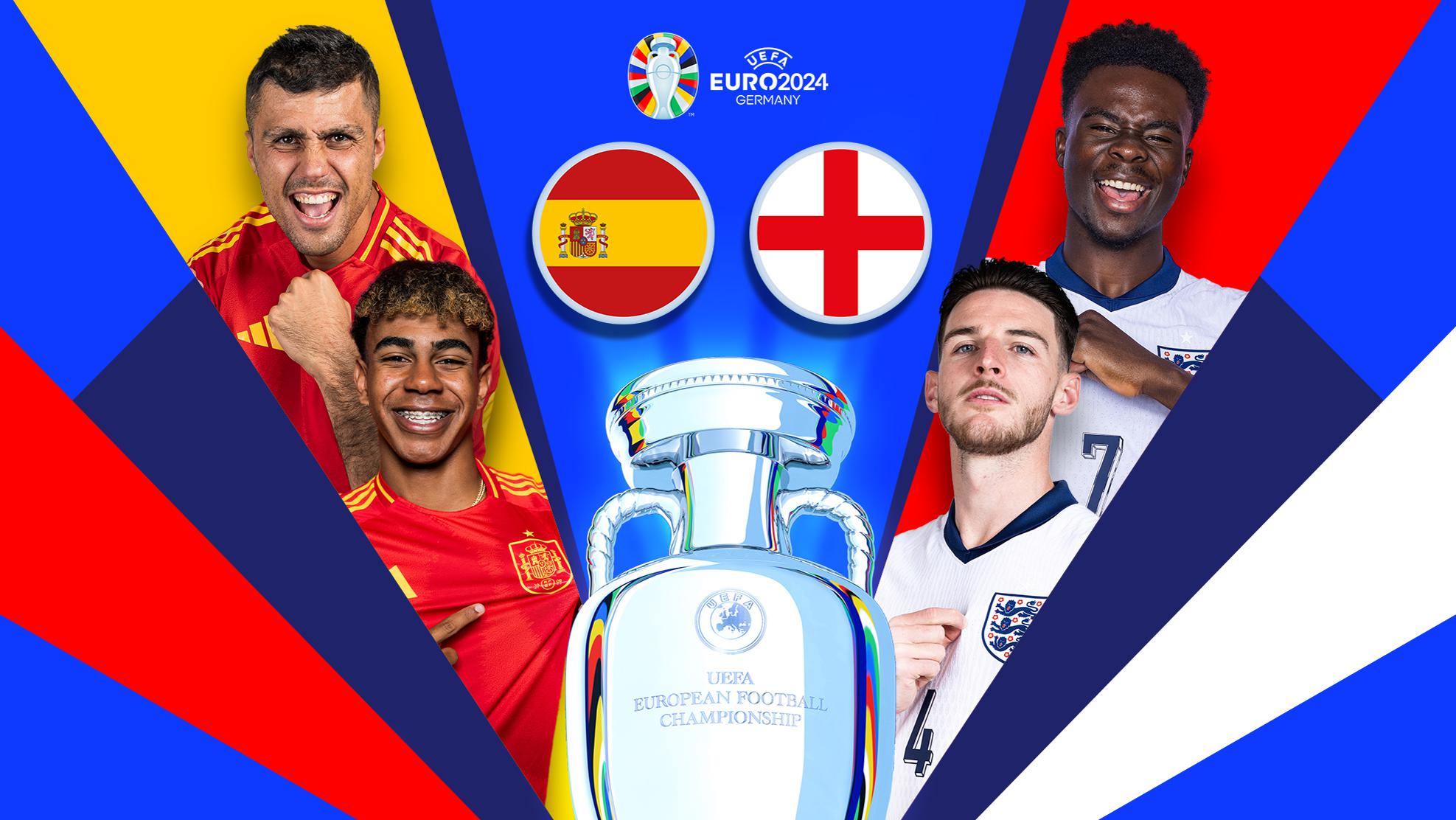
ML Model
2024
The day before the Euro 2024 final, I made a model to predict the outcome of the game between Spain and England based on tournament performance.
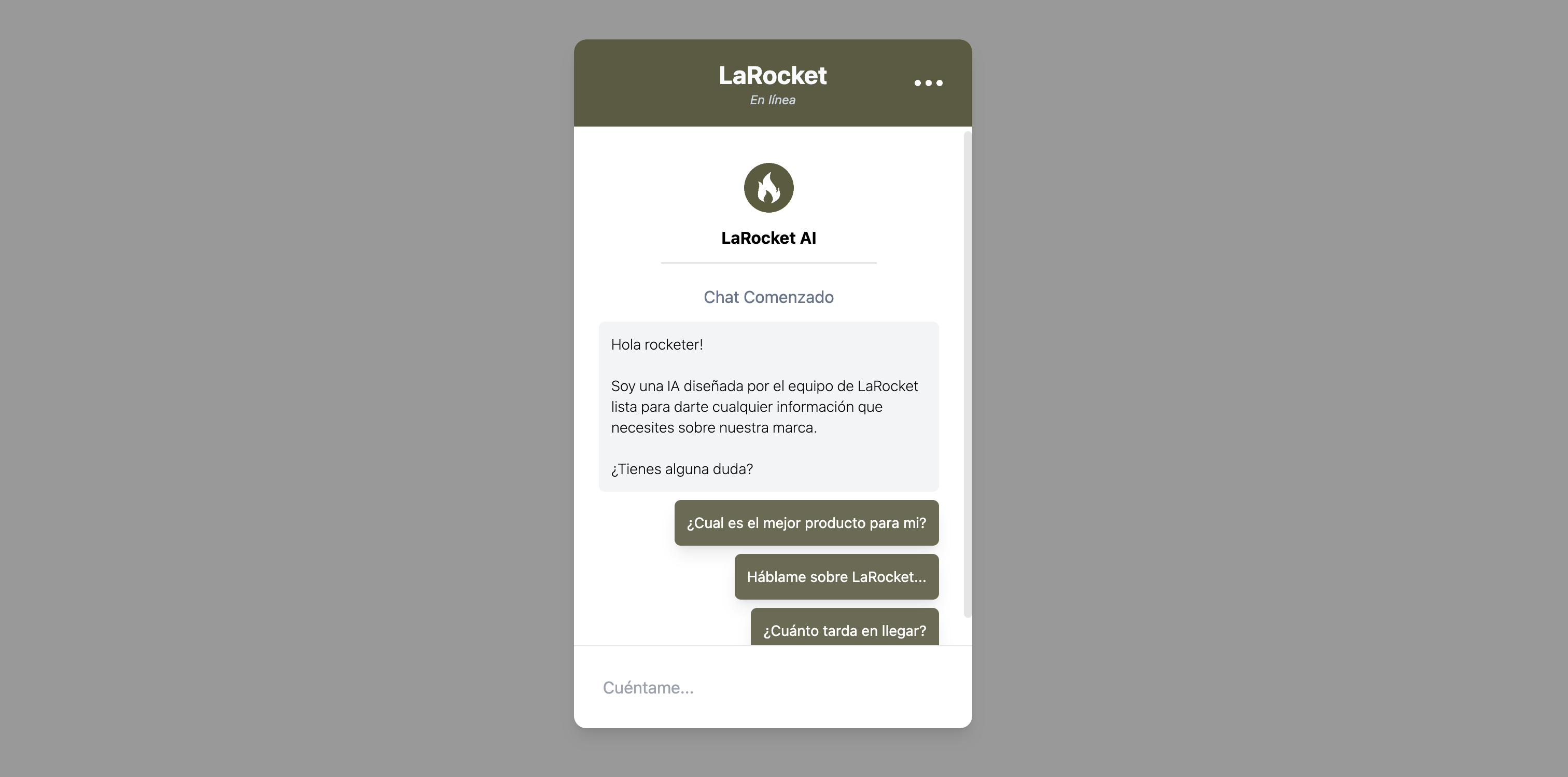
LaRocket Support Chatbot
2024
AI chatbot application for customer support.
🎸 About me
"Be curious, not judgmental." - Ted Lasso
Making conclusions too early is a very easy way to stop growing. I've found curiosity takes you further.
⌛️ TL;DR
Hi! I'm Juan. I'm 21 and I'm from Spain 🇪🇸, but I’ve also lived in the UK 🇬🇧.
I love building software products. I'm currently building a cool one @ Kibo Ventures.
I study Computer Science & AI @ IE University.
I love music and play guitar in my free time 🎸. One of my dreams is to make a music album 🤠.
I like challenging myself and doing endurance sports. 🏃♂️ Next up: my 3rd half marathon in April 2026.
📕 My Story (so far…)
🎬 Making Movies
I grew up in Madrid, Spain. When I was 12, I started playing around with my dad's old camera (a Nikon D90 from 2008). Since then, I made a lot of videos, and my dream was to be the next Steven Spielberg.
Later on, I discovered video editing and VFX through YouTube channels like Corridor Digital, Cinecom.net or Auraprods. I started messing around with my dad's old computer and some very janky versions of Premiere Pro, Photoshop, and After Effects.
With time I started getting decent at editing and was even accepted into a private mentorship community (50 members only) from Zach King. For a few months, we focused on making creativity a skill rather than a talent and how to make it repeatable. That mindset ended up being useful far beyond video.
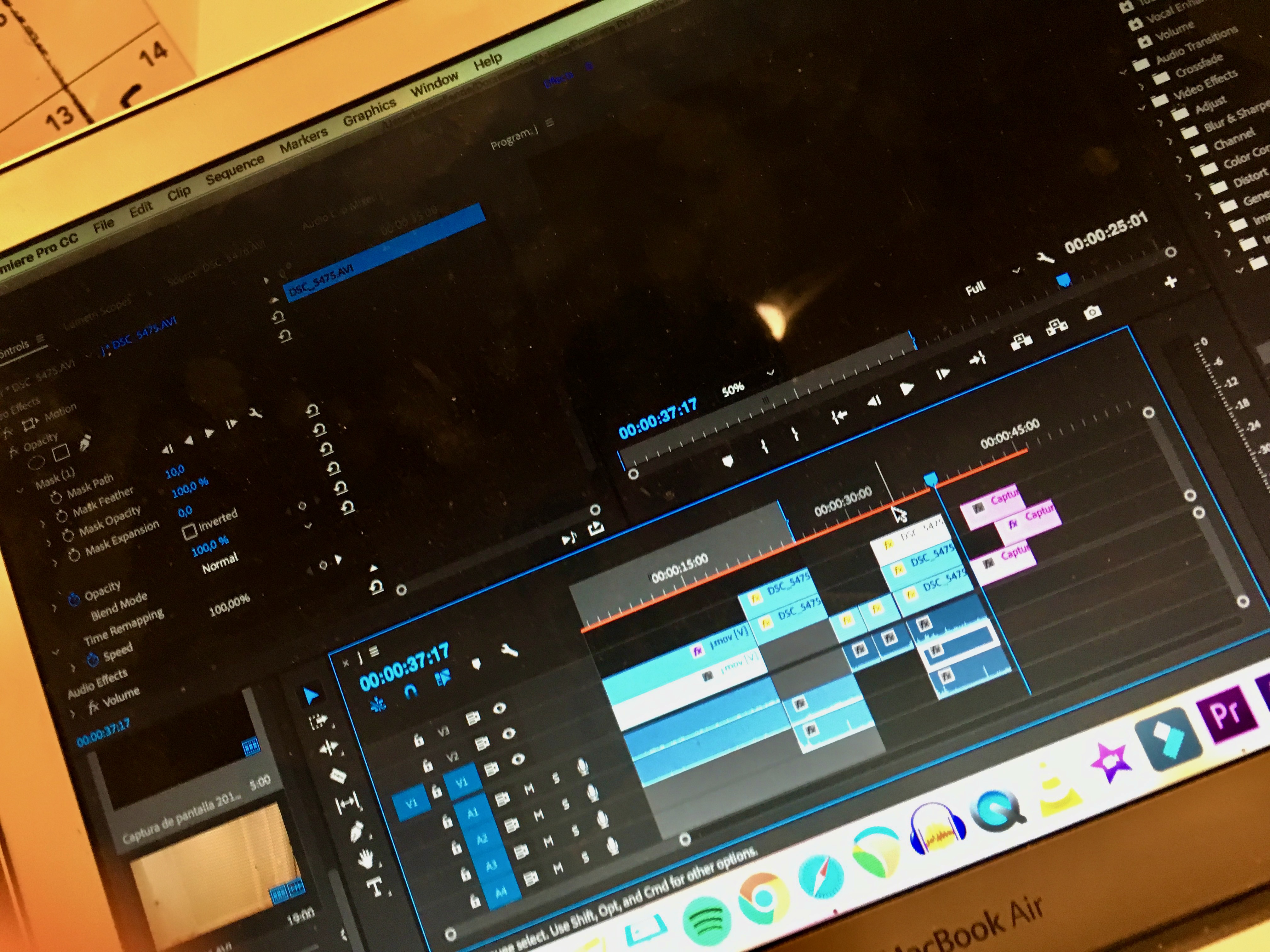
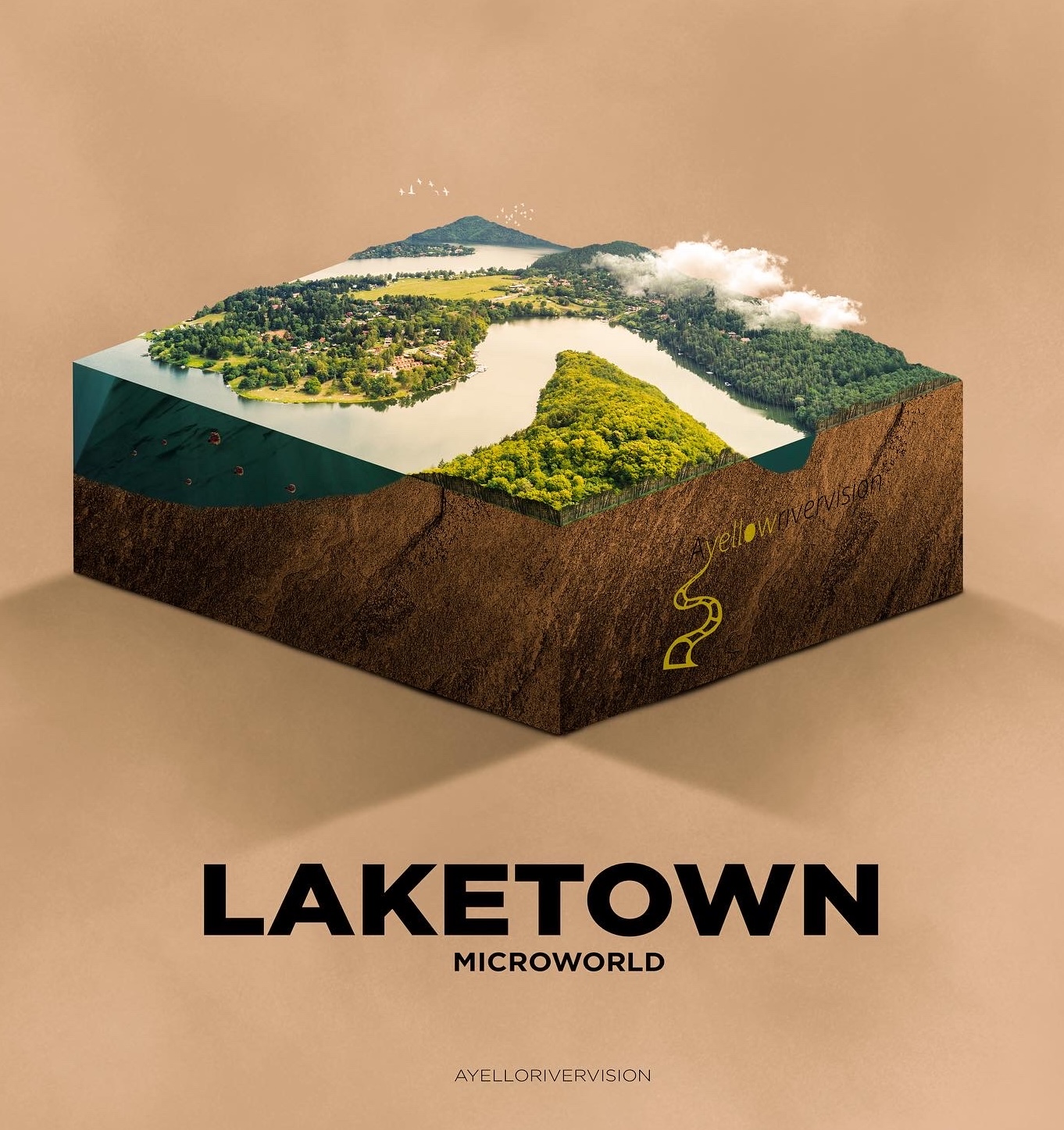
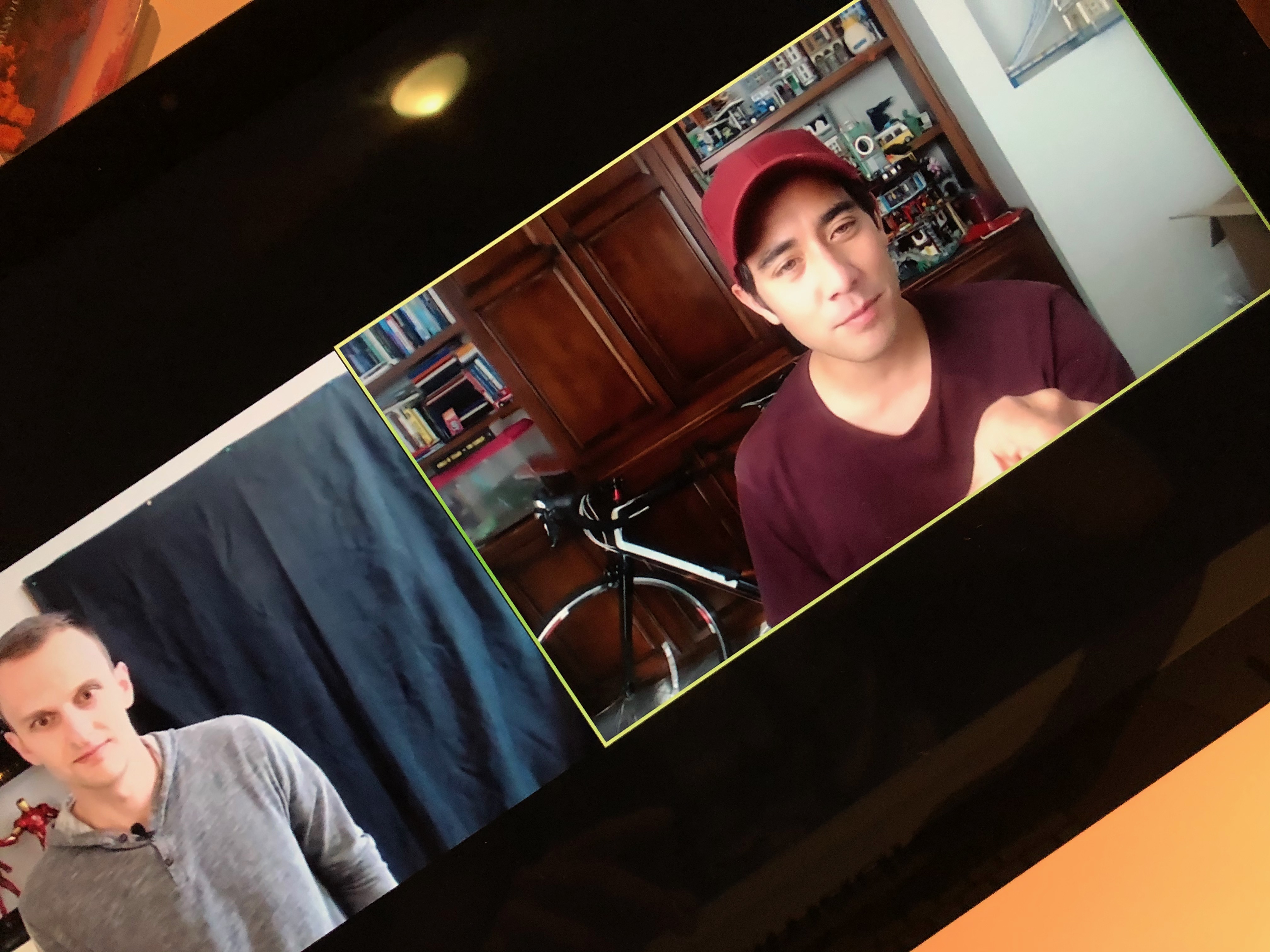
Over time, I drifted away from pure cinema and leaned more into video editing. I got better. Eventually, I landed a gig filming and editing a commercial for Toyota in Zamora, Spain. It was my first paid job ever. I didn’t make much money, but I felt like a millionaire.
After that, I tried to turn freelancing into an agency. I defined a structured process for my services, did aggressive outreach for three months, and finally landed my first client. It didn’t last long, but it was my first real, face-to-face encounter with building a business. And it wouldn't be my last.
🛠️ Making Products
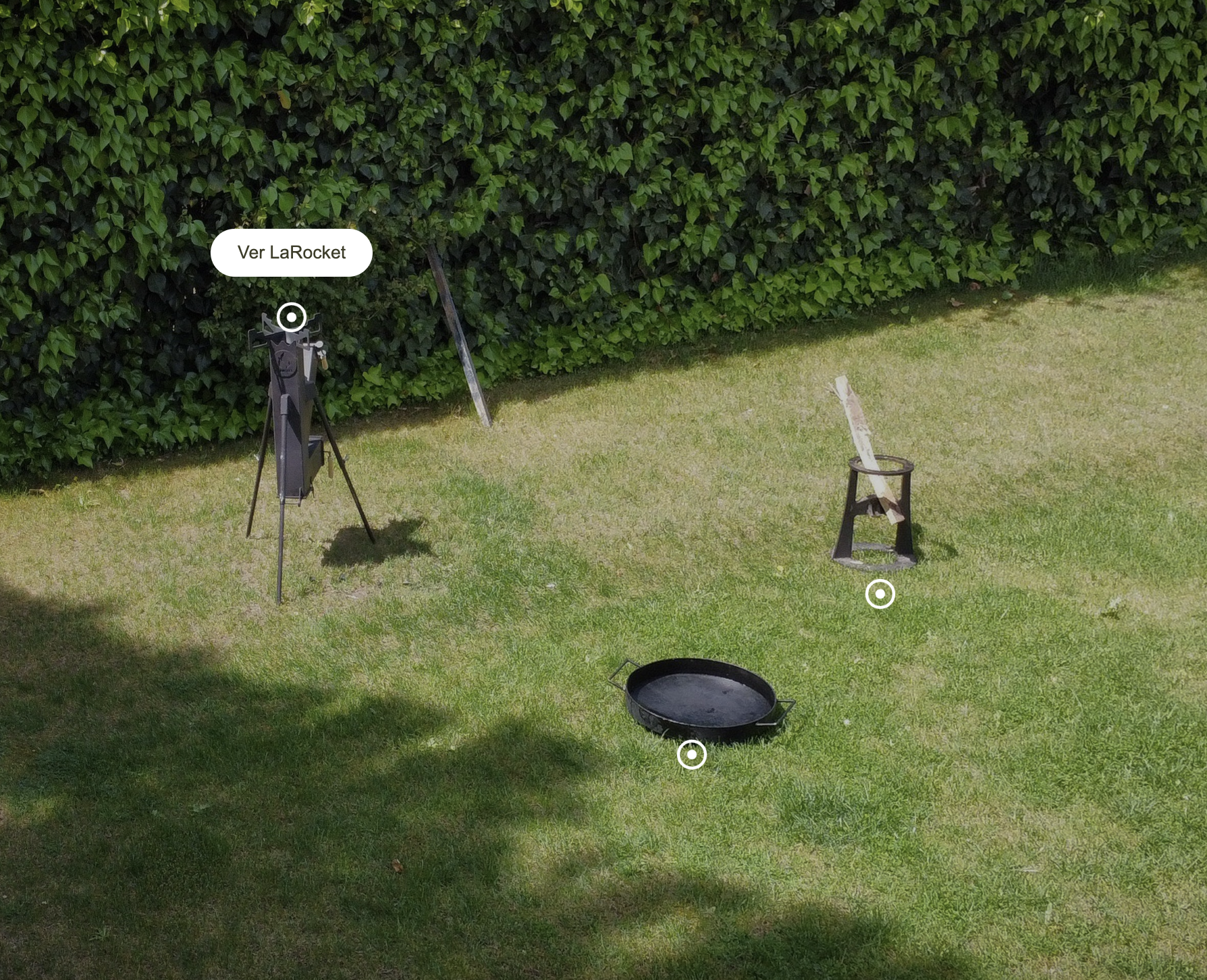
During late 2023, I teamed up with friends from school to launch LaRocket - Spain's first rocket stove brand. We bootstrapped and sold our first 20–30 stoves, but scale was an issue. We needed capital to reach more customers and our margins were too low in comparison to the speed in which we wanted to grow. After some time, we decided to raise capital and started meeting with angel investors and got close to raising over $50k… but failed. It didn’t work out, but it taught me more than any win could have. Building the tech infrastructure ultimately led me to software engineering.
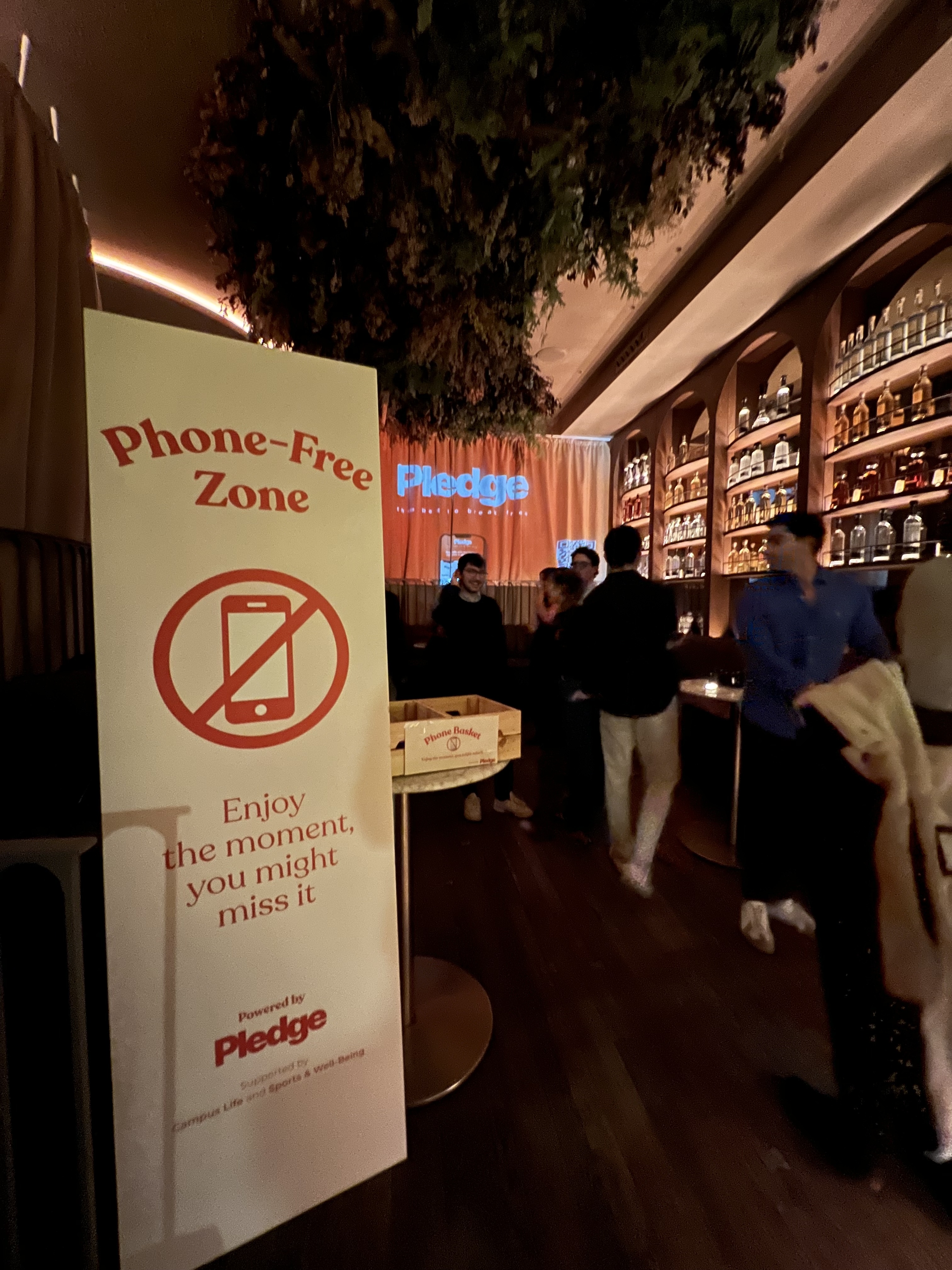
A few months later, in late 2024, I met a student from my university who had a very interesting idea and wanted to turn it into a startup. Not long after, I decided to join the team and we started building Pledge - an app that helps you stop scrolling on social media by “betting on yourself.”
In Pledge, users set a maximum amount of time they are willing to spend on social media and a price to pay if they break that rule. If they do, the money goes to the Make-A-Wish Foundation and we take a small margin.
We launched a beta version for friends and family and not long after, Pledge was chosen as a finalist for START Global 2025 in St. Gallen, Switzerland 🇨🇭. However, weeks before launch, the App Store blocked our app, so we never got a chance to launch it to the public.
Now...
I'm studying a BSc in Computer Science & Artificial Intelligence at IE University. I'm a partnerships ambassador at IE Tech & Innovation and president and co-founder of the IE Swimming Club.
I'm also working at Kibo Ventures as a software engineering intern, with a secondary role in investment. I love being at the intersection of tech and business. I get not only to work on interesting tech projects, but also learn about the ins and outs of a VC fund, startup finantials and the startup ecosystem. Every day, I get to see some of the most cutting-edge tech in Europe
Anyway... that's me. At least for now 🚀
💼 Experience
What I've done over the years can be summarized in a series of decisions rather than job titles. These are some of the ones that shaped mine.
Context
I have experience building real products, but I wanted to understand how the best companies in Europe are built from the investor's side. Kibo gives me both. Engineering work on an AI platform used daily by all our funds, plus a front-row seat to how VC and PE decisions are actually made.
Tradeoffs
Took an internship instead of going full-time on my own thing. University and work balance is challenging, but I'm learning a lot and getting to see cutting-edge tech from across Europe. I also had to learn to deal with Excel and financial analysis, not exactly my comfort zone.
Outcome
Currently developing the Kibo AI Intelligence Platform, used by our Venture Capital funds and Nzyme, a Private Equity fund by Kibo Ventures and Oliver Wyman. Every day I see the coolest startups and tech from across Europe.
What I'd do again / differently
I'd do it again without hesitation. Being at the intersection of building and investing gives you a very different lens on what matters in a product.

Context
Until now, I had built software for fun, for clients and with other students but had no real experience on a real company, that builds scalable and reliable software. Uptime Labs gave me a chance to do just that. I joined a small, fast-moving team in a seed-stage startup where I'd have to ship real features from day one, no hand-holding.
Tradeoffs
Could have picked a bigger company with more structure and mentorship. Instead I chose a place where I'd be thrown into the deep end: gRPC, AWS infra, CI/CD pipelines, all in an agile startup environment.
Outcome
Contributed to both software development and DevOps, working on one of the company's main internal tools and created a new microservice for the company. Went from "I've read about gRPC" to shipping production services with it in few months.
What I'd do again / differently
The discomfort was the point. I learned more in 3 months than I would have in a year somewhere else. I'm very grateful for the experience and I'd pick the steep learning curve every time.
Context
A university friend had a compelling idea: an app that helps people stop scrolling on social media by "betting on yourself." If you break your limit, the money goes to the Make-A-Wish Foundation. I joined as founding engineer and we built it from scratch.
Tradeoffs
Poured months and chose to ship fast and learn rather than plan endlessly. We prioritized getting a real product into people's hands over perfecting the business model.
Outcome
Built and launched a beta. Pledge was selected as a finalist for START Global 🇨🇭, one of the biggest student startup competitions in the world. Then, weeks before public launch, the App Store blocked us. We never got to launch it.
What I'd do again / differently
Building something real, even if it dies, teaches you more than any course. I'd be all in on it again. The friends and experiences you make along the way are awesome. It's important to have fun. The only thing I'd change is spending less time on features and more time de-risking the distribution channel earlier.
Context
I wanted to keep learning and building, but I also needed a way to sustain it. So I started Ayrvision, a personal consulting venture where I built websites, web apps, and Shopify subscription flows for real clients with real money on the line.
Tradeoffs
Quickly learned that client work means building what others need, not what you want. Less creative freedom, but the constraints forced me to ship things that actually worked and made money for other people.
Outcome
Delivered multiple projects, including a coffee subscription flow that generated +$1k in its first months. Learned how businesses actually think about software... a revenue tool.
What I'd do again / differently
Consulting is underrated as a learning accelerator. You see so many different problems and business models. I'd recommend it to anyone starting out.
Related Projects
Context
I teamed up with friends to create LaRocket, Spain's first rocket stove brand. None of us had built a physical product before nor had the experience to build a business out of it. We had to figure out manufacturing, logistics, marketing, and fundraising all at once.
Tradeoffs
Physical products is brutal space. Margins are thin, scale requires capital, and iteration is slow compared to software. We bootstrapped, sold our first 20–30 stoves, then tried to raise over $50k from angel investors.
Outcome
We got close to closing the round, but it fell through. The company didn't survive, but building its tech infrastructure, the website, the AI chatbot, the automation & marketing systems is what led me to software engineering.
What I'd do again / differently
The best failure I've had. It taught me more about business, fundraising, and resilience than anything else. And it accidentally started my career in software.
Related Projects
Other stuff I've done
2025 Hackathon by NTT Data
2025
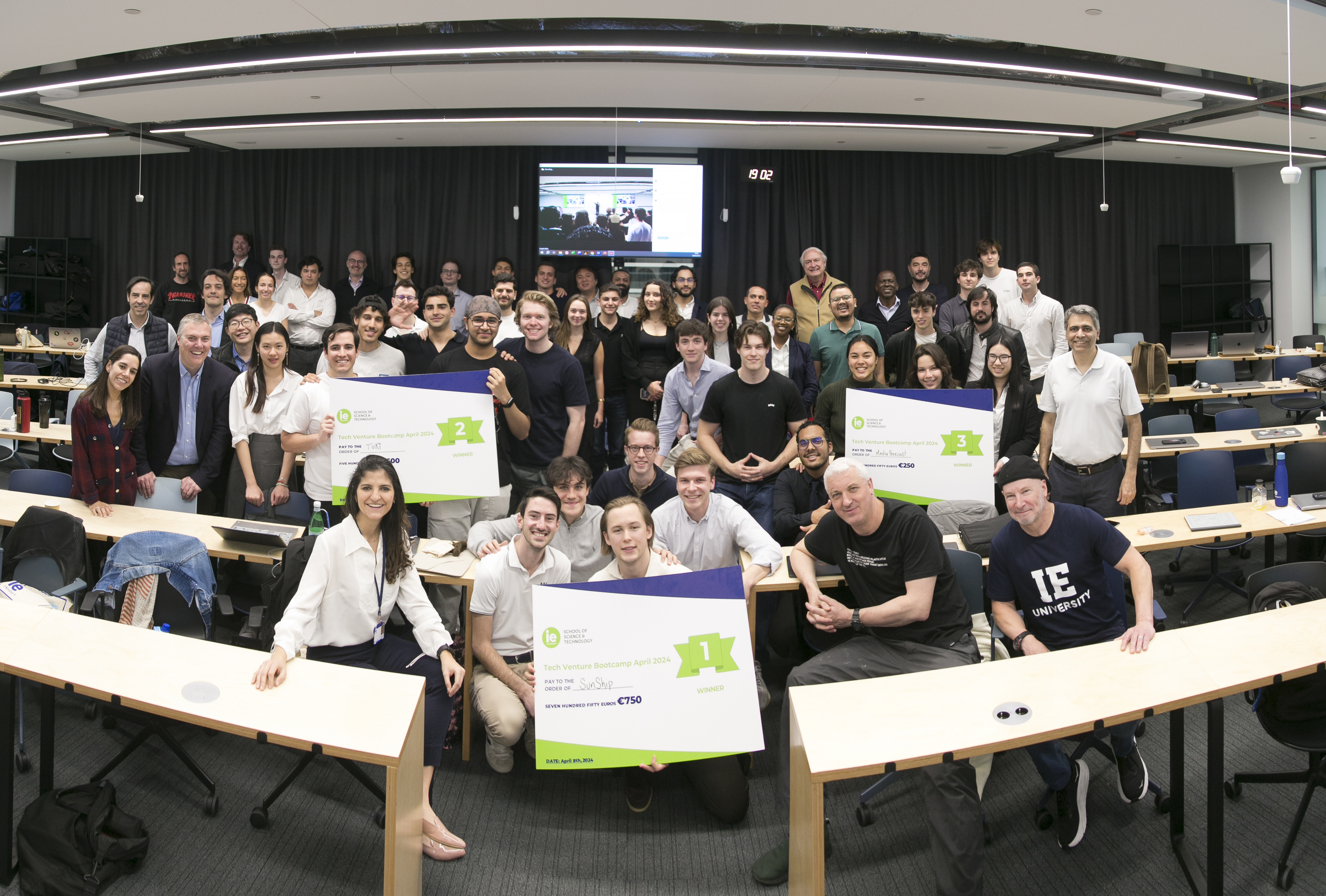
My team placed 4th in a hackathon sponsored by NTT Data to make time series models that predict the behavior of energy demand markets.
2025 IE Hackathon
2025
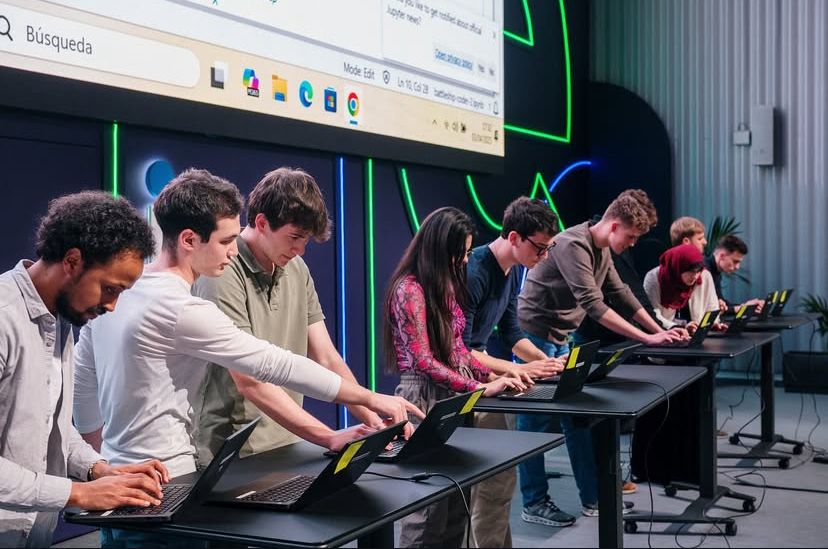
IE hosted it's first hackathon on leetcode-type problems in pair programming. I finished semifinalist.
2024 IE Tech Venture Bootcamp
2024
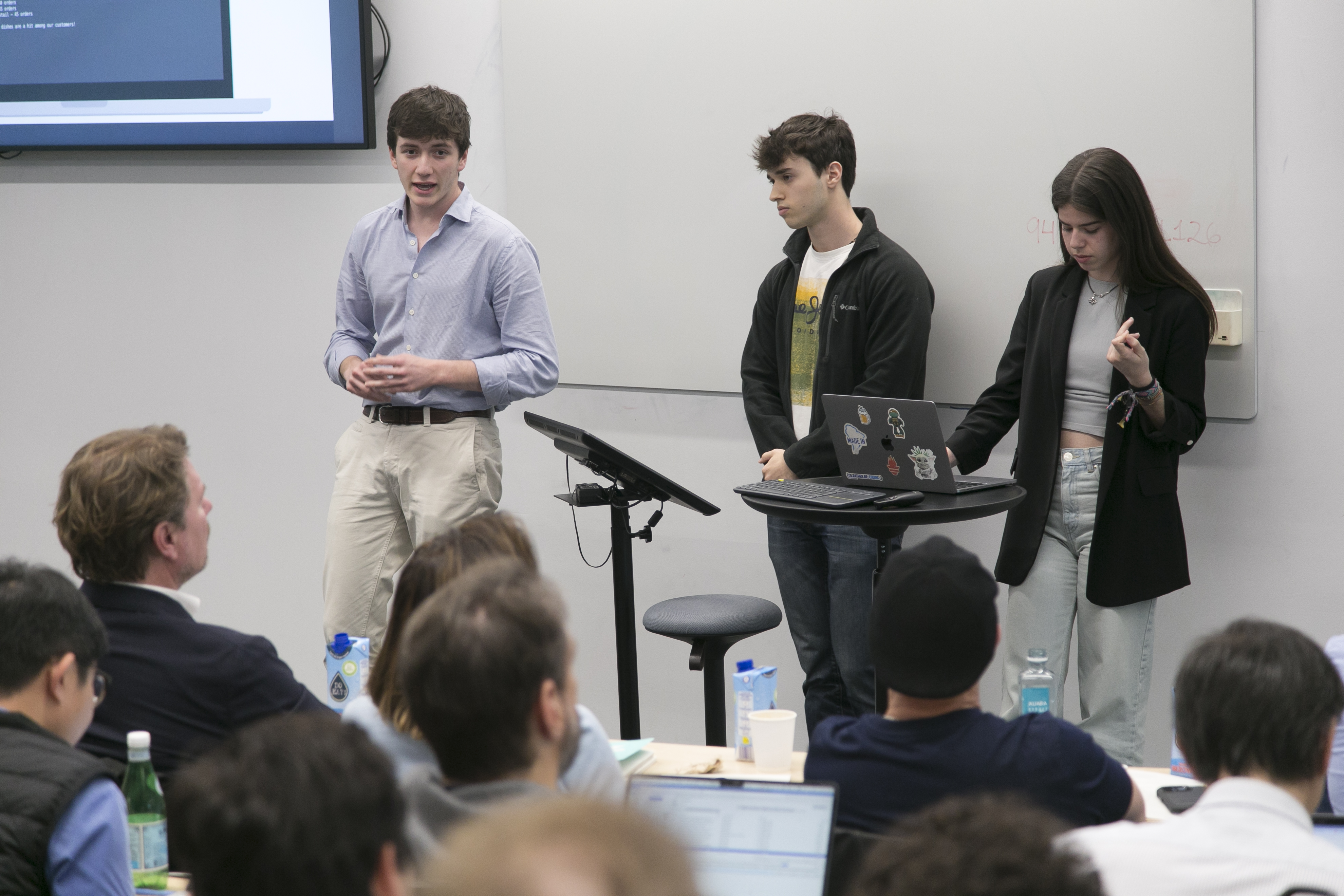
Participated in a 7 day hackathon to bring a product from idea to MVP and pitch to real investors. My team reached 4th place.